How to Choose the Right Sensor Faucet
GIBO Sensor Sanitary Ware: How to choose the right sensor faucet? Due to their touchless operation, sensor faucets offer
GIBO Sensor Sanitary Ware: How to Choose a Sensor Faucet
Touchless Sensor Faucets, featuring non-contact operation for water-saving, convenience, and hygiene, are increasingly deployed in Public Restrooms. Selecting the right Sensor Faucet not only conserves water but also prevents cross-infection of various bacteria, including SARS, hand-foot-and-mouth disease, and swine flu.
Sensor faucets are easy to install and compatible with most countertop basins (two-hole basins require an additional mounting bracket) and undercounter basins. Key factors in selecting a sensor faucet include style, power supply, basin compatibility, and hot/cold water configuration. Here is how to choose the right touchless faucet.
1. Style Selection: What design of Sensor Faucet do you require?
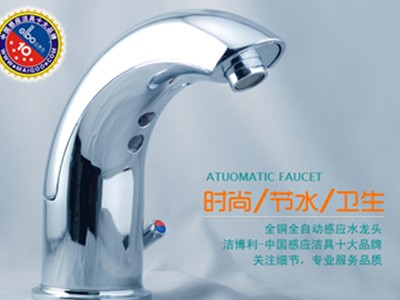
Select a faucet body made of fully cast brass with a high-gloss finish. Reputable manufacturers specify strict plating processes and pass 24-hour acidic salt spray tests, ensuring the surface is free from burrs, pores, and oxidation spots. Avoid zinc alloy bodies, commonly found in low-cost sensor faucets (particularly those from Wenzhou), which typically last only about one year.
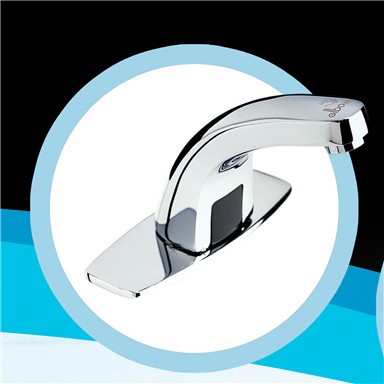
To achieve a cohesive aesthetic, sensor faucets must be matched to the wash basin. GIBO sensor faucets are available in three configurations—undercounter basin, countertop vessel basin, and wall-mounted—to suit different basin styles and installation methods. Select the appropriate GIBO sensor faucet based on your specific requirements.
Recommended Sensor Faucets for Undercounter Basins: GBL-6101, GBL-6110, GBL-6111, GBL-6113.
Recommended Sensor Faucets for Countertop Basins, Vessel Sinks, and Artistic Wash Basins: GBL-6133, GBL-6150
Recommended Wall-mounted Sensor Faucets: GBL-6153, GBL-6155
When selecting, consider the depth and width of the Ceramic Basin to achieve optimal performance with the Sensor Faucet.
2. Sensor Module and Valve Body:
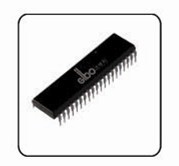
Discover the electronic capabilities of our sensors. GIBO sensor modules are MCU-controlled, featuring remote control functionality and intelligent adjustment of sensing distance. Battery life exceeds 1 year, while solenoid valves deliver a lifespan of over 500,000 cycles.
Power Supply: Which Is Better for Sensor Faucets—AC Power or Battery?
Choose between battery-operated and mains-operated models. For high-traffic public restrooms, we recommend mains-operated units to eliminate the need for frequent battery changes. For office environments with lower daily usage, battery-operated models are a suitable choice, requiring battery replacement only once per year.
3. After-Sales Service: Choose a reputable manufacturer—preferably GIBO, one of the top ten sensor sanitary ware brands—for guaranteed after-sales support and prompt problem resolution.
4. Details: Products come with official branding and packaging; internal wiring connectors must be waterproof, ensuring a well-engineered design and easy maintenance.
5. Qualifications: A manufacturer with authoritative quality testing certifications, proven production capacity, established scale of development, professional expertise, and a portfolio of project case studies.
6. Maintenance: Wipe the faucet body clean regularly with a soft, dry cloth. If the sensor faucet becomes loose, tighten it promptly. Clean the filter screen periodically.
7. Single-cold and hot/cold sensor faucets should be determined based on plumbing layout. If no hot water supply line is available, an under-sink instant water heater can be added later for heating.
How to Choose a Sensor Faucet: A Guide to Selecting a Stylish Touchless Faucet