What Is the Inlet Pipe Size for Squat Pan Sensor Flush Valves?
What is the inlet pipe size for GIBO squat pan sensor flush valves? What are the specifications for toilet and urinal se
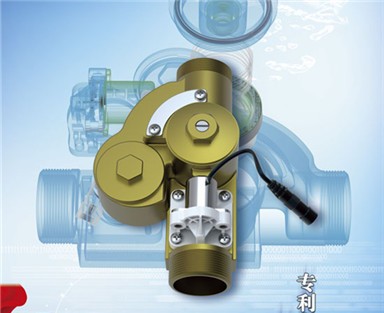
What is the inlet pipe size for GIBO sensor squat pans? What is the water supply diameter for sensor toilets? What is the required inlet size for sensor urinals?
GIBO sensor squat pan units use a 1" union for the water inlet, compatible with DN25 PPR or galvanized pipes. To meet flush flow requirements, if fewer than 6 sensor flush valves are installed in a restroom, a DN32 main pipe is recommended. If more than 6 sensor flush valves are installed, a DN40 main pipe is advised to ensure sufficient water volume for effective flushing.
GIBO sensor urinal units use a ½" (DN15) union for the water inlet, compatible with DN15 PPR or galvanized pipes.

The operating pressure range for kitchen Sensor Faucets, Sensor Taps, residential bathroom Sensor Faucets, commercial Sensor Faucets, Sensor Urinals, and Sensor Showers is 0.05–0.8 MPa. Normal municipal water pressure is typically around 0.15–0.2 MPa, depending on local infrastructure.
Sensor Toilet Flush Valves, Bidet Seats, and Smart Toilets require an operating pressure of 0.3–0.8 MPa for optimal performance. Pressures below 0.3 MPa will not prevent normal operation or flushing but may reduce flush volume and the instantaneous flow rate of the sensor flush valve.
If the pipe pressure is very low (below 0.05 MPa), the product can still open and close normally; however, minor dripping after closing may occur. In this case, simply turning off the faucet handle will resolve the issue.
If the pipe pressure is excessively high (above 0.9 MPa), it may interfere with normal operation. We recommend installing a Pressure Reducing Valve to prevent risks such as leaks or burst pipes affecting other household fixtures like showers, water heaters, and faucets.