Why Do Sensor Sanitary Ware Batteries Need Frequent Replacement?
If the battery life of DC-powered sensor sanitary ware falls short of the period stated in the product manual, requiring
Why does the battery life of DC-powered sensor sanitary ware fall short of the duration stated in the product manual, requiring frequent replacement?
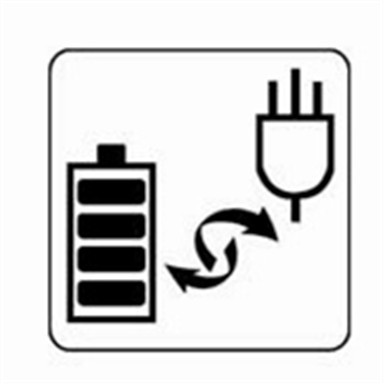
1. GIBO sensor sanitary ware typically operates in three power modes: 220V AC mains supply, DC6V battery supply (4 AA or 4 AAA batteries), or dual AC/DC operation.
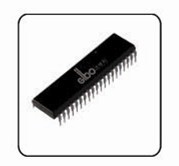
2. The battery lifespan cited in the manual refers to theoretical performance under standard laboratory conditions at GIBO, based on specific usage parameters such as operating time per cycle, water pressure, and water quality. Actual field performance may vary. Under normal conditions—calculated at 200 uses per day—the actual battery life for DC-powered sensor faucets, sensor urinals, and sensor squat pans can reach up to 18 months. GIBO sensor sanitary ware utilizes advanced low-power imported microcontroller chips, multiple software anti-interference algorithms, and optimized intelligent power-saving technology, achieving a theoretical battery life of up to 300,000 cycles.
3. If there is a significant discrepancy between the actual battery life and GIBO's theoretical specifications, verify that you are using genuine batteries from reputable brands. Many non-standard or counterfeit batteries available on the market suffer from low capacity and rapid discharge issues, which affect normal operation. We recommend using branded batteries such as Nanfu, Shuanglu, Energizer, or Duracell.
4. Check the battery box or connectors for signs of water ingress or moisture, which can cause short circuits, leading to battery leakage or rapid discharge.